
When to Visit Hokkaido in Winter
Hokkaido’s winter season typically runs from late November through early April. The best time depends on what you want: powder skiing, festival vibes, or fewer crowds.
- Early February: Peak snow conditions + Sapporo Snow Festival
- Late January – Early March: Best for skiing and winter activities
- December: Festive atmosphere, lighter crowds, and early season powder
Tip: If you want the “pretty + quiet” experience, plan weekdays and start your sightseeing early.
Getting to Hokkaido
Most international travelers arrive via New Chitose Airport (CTS) near Sapporo. From there you can connect by train, bus, or domestic flight depending on your route.
- From Tokyo → Sapporo: Flight (fastest) or Shinkansen + limited express (scenic)
- For multi-city travel, consider timing your route so you don’t backtrack.
Getting Around Hokkaido
Hokkaido is big—bigger than most people expect. If you’re staying only in Sapporo + nearby day trips, local trains are enough. If you’re hopping between regions, rail passes or a rental car can make the trip smoother.
- Rail pass: great for Sapporo–Otaru–Asahikawa routes
- Rental car: best for countryside views (but winter driving needs confidence)
- Buses: useful for hot springs and ski areas
[caption] Snowy hills create a pristine winter wonderland
The 7-Day Itinerary
This itinerary is designed to feel relaxed: mornings for highlights, afternoons for slow exploring, evenings for food and warm indoor spots.
Day 1–2: Sapporo
Start in Sapporo to ease into the weather and get your bearings. Focus on food streets, viewpoints, and one winter attraction per day.
- Explore Odori Park and the city center
- Try local classics: miso ramen, soup curry, seafood
- Visit a viewpoint (TV Tower / Mt. Moiwa) near sunset
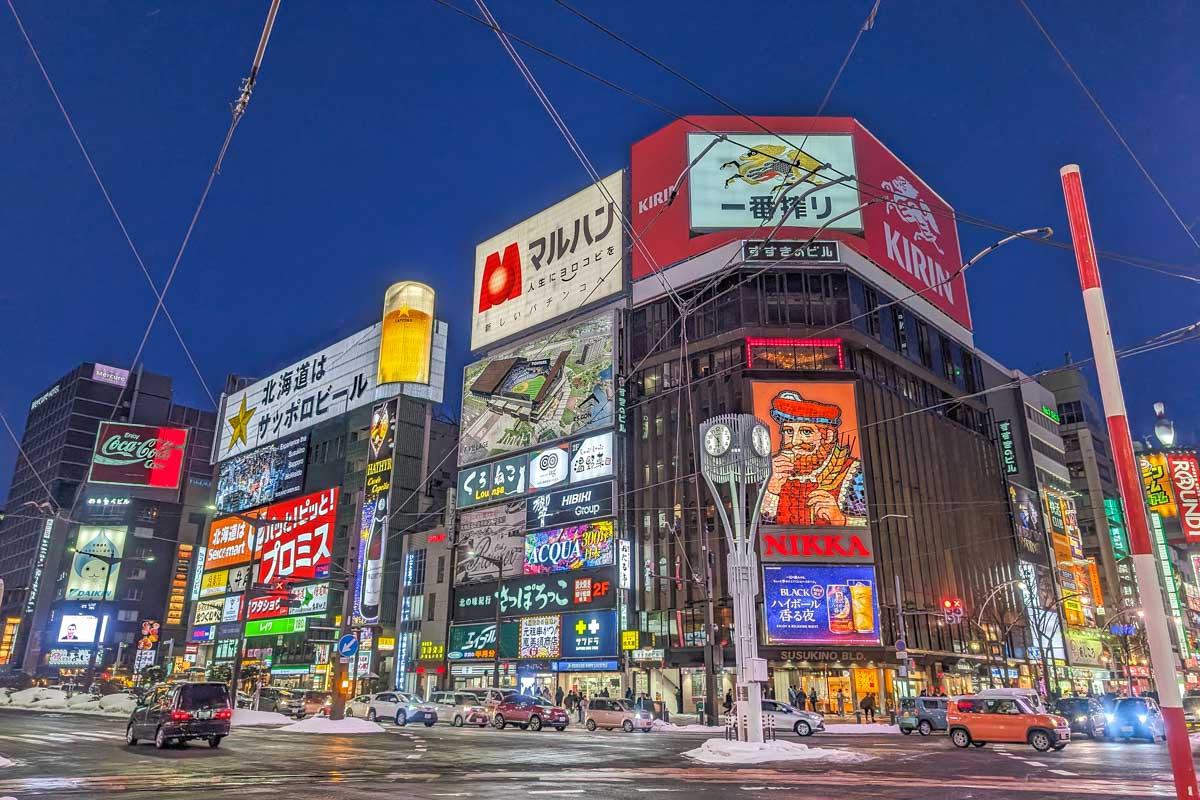
[caption] Sapporo is perfect for a cozy winter introduction
Day 3: Otaru Day Trip
Otaru is a charming canal town that works beautifully as a day trip. Go for the scenery, cafés, and slow walks.
- Walk the canal area and old warehouses
- Stop at a café for something warm
- Grab small souvenirs and local sweets
“Otaru is best enjoyed slowly—warm drink in hand, no strict schedule.”
Day 4: Niseko (or another ski area)
Even if you don’t ski, Niseko can be worth it for the scenery and winter atmosphere. If you ski, this is your highlight day.
- Ski / snowboard (or do a snow play activity)
- Onsen soak in the evening
- Keep dinner simple and early—winter days are tiring
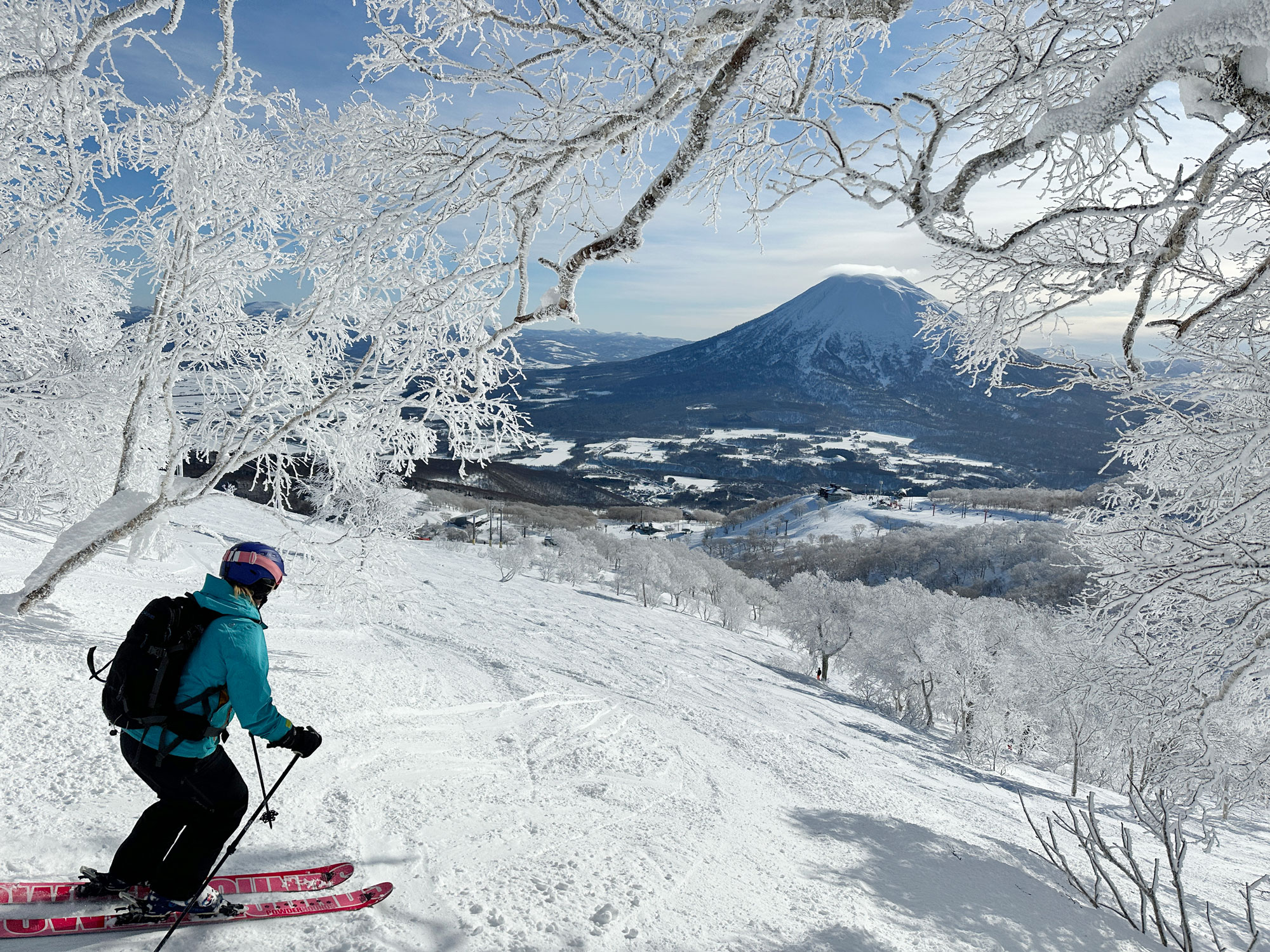
[caption] Powder days in Niseko can be unforgettable
Day 5: Asahikawa (or Furano)
Choose Asahikawa for city + food + easy access, or Furano for wide open landscapes. Pick one and commit (don’t try to do both in one day).
- Visit one main spot
- Leave time for a warm café break
- End with an early night
Day 6: Onsen Reset Day
Plan a slower day focused on recovery: hot springs, calm meals, and minimal transit.
- Onsen + quiet walk
- Simple dinner (avoid a long queue)
- Prep for your final day and shopping
Day 7: Back to Sapporo + Last-Minute Shopping
Use your last day for flexible items you missed: snacks, souvenirs, and a final meal.
- Buy snacks for friends/family
- Revisit your favorite food spot
- Leave extra time for airport transit in winter
Practical Winter Travel Tips
Winter in Hokkaido is cold—but manageable if you pack smart and plan flexible.
- Dress in layers: base layer + fleece + insulated jacket
- Bring waterproof boots with good grip
- Start early, rest mid-day, go out again at dusk
- Keep buffer time for transit (snow delays happen)