Image from: https://images.ctfassets.net/2uxxifu5nzlv/7qNXcrA9WO9bcgCCUrhZtN/13103b33ffab71d93b09ee8db6c1b89e/img_08-01_img_07-01.jpg?q=80&fm=webp
If you’ve ever soaked in Kusatsu Onsen and thought, “Yeah, I could definitely come back here again,” you’re not alone — and you’re officially in the majority.
Kusatsu Onsen, located in Gunma Prefecture, has been named Japan’s top hot spring destination for 2026, claiming first place in a nationwide ranking for the third year in a row. That’s right: Kusatsu isn’t just hot — it’s consistently hot.
The ranking comes from an annual survey conducted by the Jalan Research Center, which asked more than 12,500 respondents which onsen towns they most wanted to revisit. Out of 333 hot spring destinations across Japan, Kusatsu once again bubbled its way to the top.
So, What Makes Kusatsu So Hard to Quit?

https://images.ctfassets.net/2uxxifu5nzlv/2clWtjz2UeSXLLmMERXsd3/f358804468e48c5d63bac1d778374991/kimg_01-01_img_01-01.jpg?q=80&fm=webp
Sitting at an altitude of about 1,200 meters, Kusatsu is famous for its strongly acidic, sulfur-rich waters and unmistakable aroma that lets you know you’ve arrived long before you see the steam. The town also boasts one of the highest natural hot spring outputs in Japan, with over 32,000 liters of hot water gushing out every minute — no reheating required.
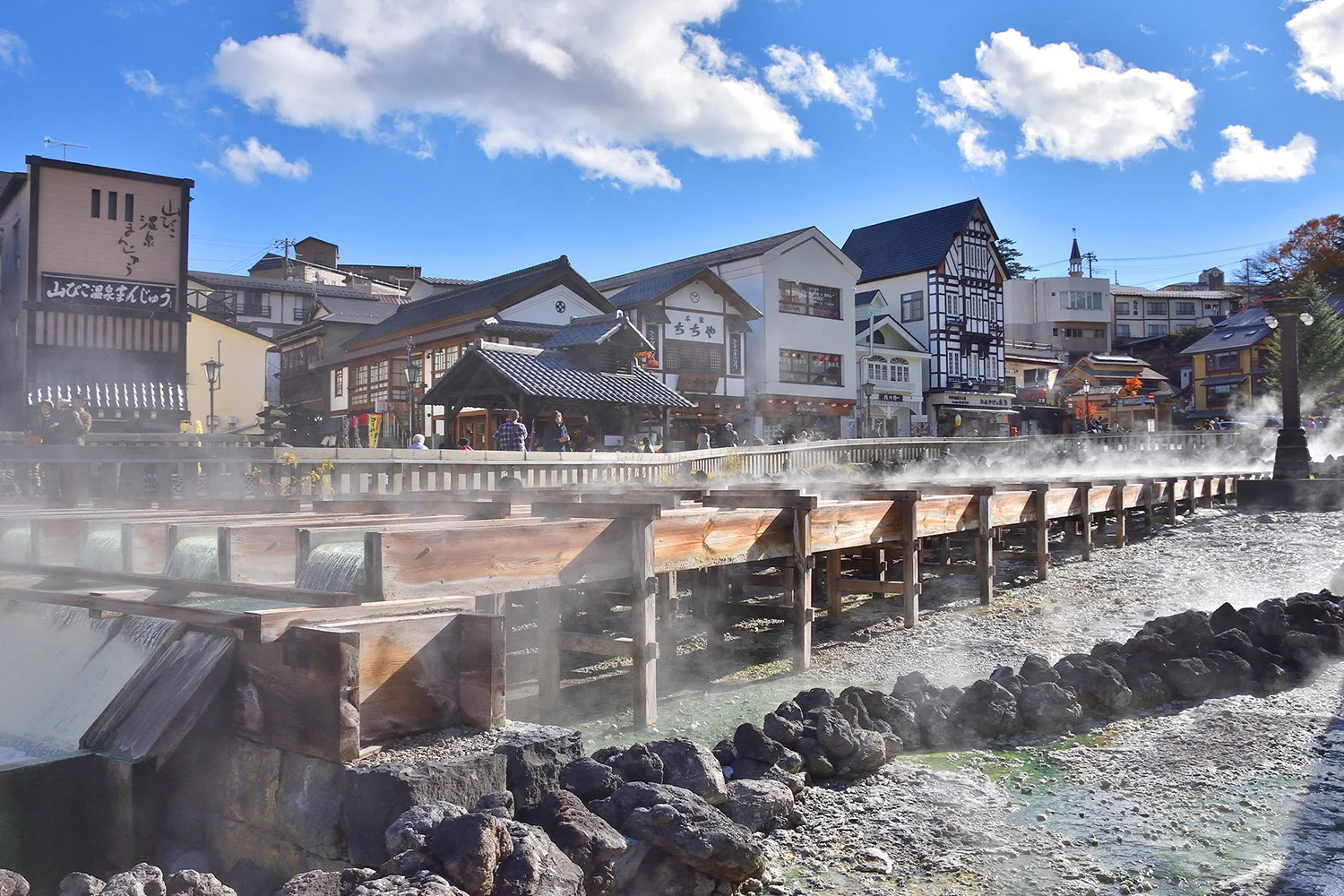
At the center of town is the iconic Yubatake (“hot water field”), where piping-hot spring water pours out into wooden channels before being distributed to baths around town. It’s dramatic, photogenic, and slightly surreal — especially at night when the steam rolls in.

https://images.ctfassets.net/2uxxifu5nzlv/1aBJ4LQ94OneYY7rhRpSIJ/8c0c89b92036c60e52d2f751d2175fab/img_01-01_img_01-01.jpg?q=80&fm=webp
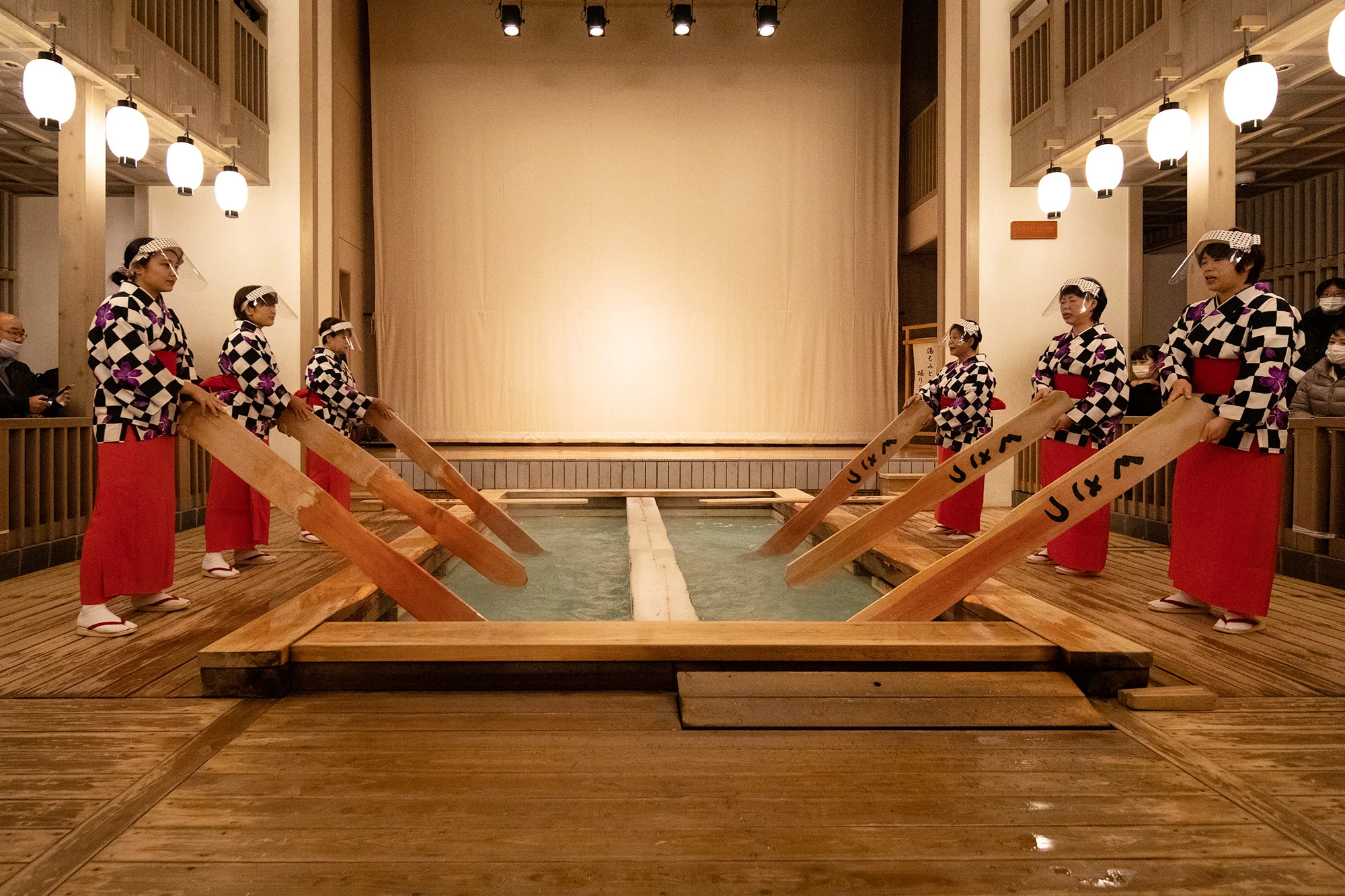
Kusatsu Onsen also proudly keeps its traditions alive with the yumomi performance, a centuries-old practice created to deal with one very real problem: the water is way too hot. Instead of adding cold water and diluting the minerals, performers use giant wooden paddles to rhythmically stir and cool the spring water, all while singing traditional folk songs.
What started as a practical method has since evolved into a cultural performance that’s equal parts history lesson and hypnotic show — and somehow still manages to look fun despite the steam and near-boiling temperatures.
Plenty of Ways to Soak It All In

https://images.ctfassets.net/2uxxifu5nzlv/1j0XyUwG50O0h16YMBQixM/ee26839dcdfb0b9e6fcd8f90de46cdc7/img_05-02_img_04-02.jpg?q=80&fm=webp
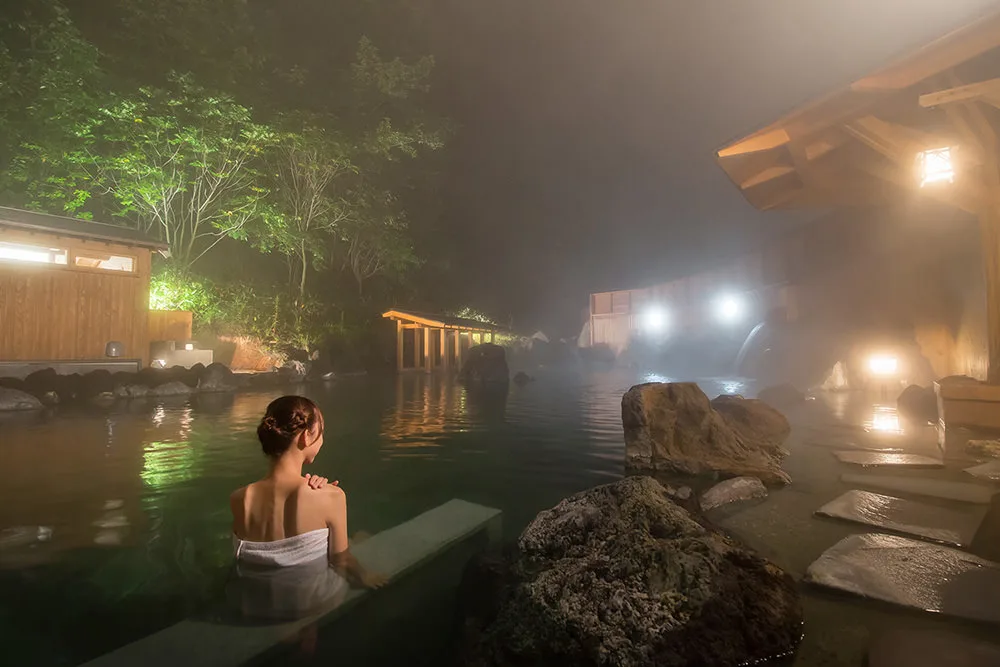
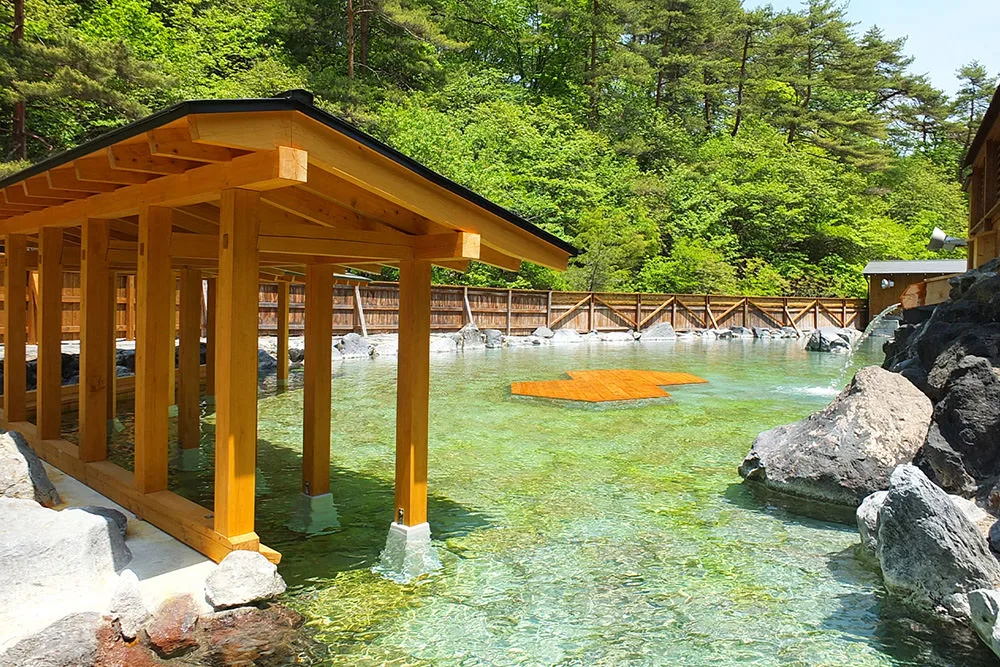
When it comes to bathing, Kusatsu doesn’t hold back. Visitors can relax in massive open-air baths like Sainokawara Rotenburo, sample multiple pools at Otakinoyu, or hop between smaller neighborhood baths for a more local experience. Slip on a yukata, grab a snack, and suddenly you’re living your best onsen-town life.
And if soaking isn’t enough (is that even possible?), Kusatsu offers seasonal activities like hiking in summer and skiing in winter, along with local specialties such as onsen manju and hearty regional dishes to refuel between baths.
Other Hot Spring Towns Worth a Dip

https://images.ctfassets.net/c3jfdk52c306/yufuin-onsen_05/f73f9e7182a51146c130ab4db3df86e5/yufuin-onsen_05.jpg?fit=fill&w=1100&h=750&fm=webp
While Kusatsu dominated the “most want to revisit” category, the survey also gave a nod to other beloved onsen towns. Yufuin Onsen topped the list of “dream destinations,” while Ginzan Onsen charmed respondents with its nostalgic, time-travel vibes. Beppu stood out for variety, and Hakone remained a go-to thanks to its easy access from Tokyo.
Hidden gems weren’t left out either, with Nyuto Onsenkyo in Akita Prefecture earning praise for its secluded atmosphere and deeply relaxing baths.
Still, when it comes to the onsen people just can’t stay away from, Kusatsu is clearly doing something right — and judging by this year’s results, it’s not cooling down anytime soon.